Shopping Cart










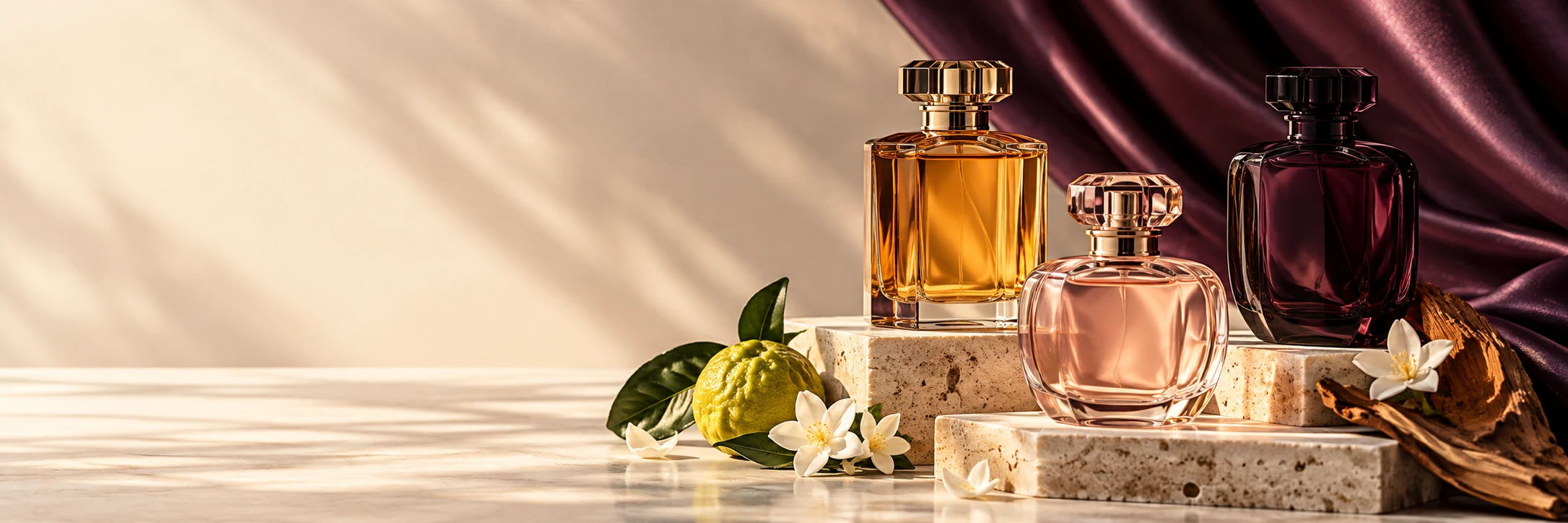
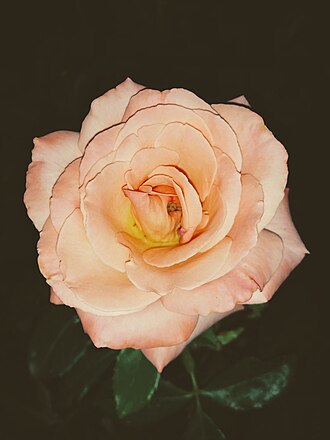
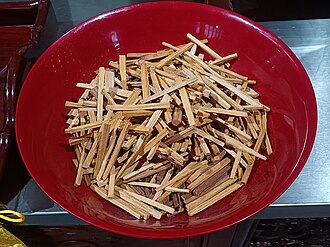
A floral perfume can feel like a fresh stem, a full bouquet or a soft trace of petals and musk. Rose and jasmine are familiar starting points, but the ingredients around them determine whether the finished fragrance feels airy, rich, green or powdery.
How perfumers work with flowers
Different flowers call for different extraction methods. Rose can be distilled for its oil or extracted to make an absolute. Jasmine is often used as an absolute, a fragrant material obtained through extraction. Perfumers can also build an accord from several materials to suggest a flower or bouquet. A flower note describes the intended smell and is not a complete ingredient list.
What makes a floral smell soft?
A soft floral often lets the flowers blend into the drydown instead of keeping one blossom sharply defined. Musks can give the composition a smooth finish. Powdery notes can make it feel warmer, while citrus or leafy notes can keep it bright. Rose and jasmine can both be subtle or expressive depending on the composition.
Choosing a floral fragrance
Try rose with green or citrus notes for a fresher feel. Look for jasmine in a white-floral blend if you want something fuller, or choose petals and soft musk for a quieter finish. Compare how each sample smells at first and after it settles.
Browse the fragrance collection
Further reading: Fragonard’s guide to flowers and extraction.