
Shopping Cart
















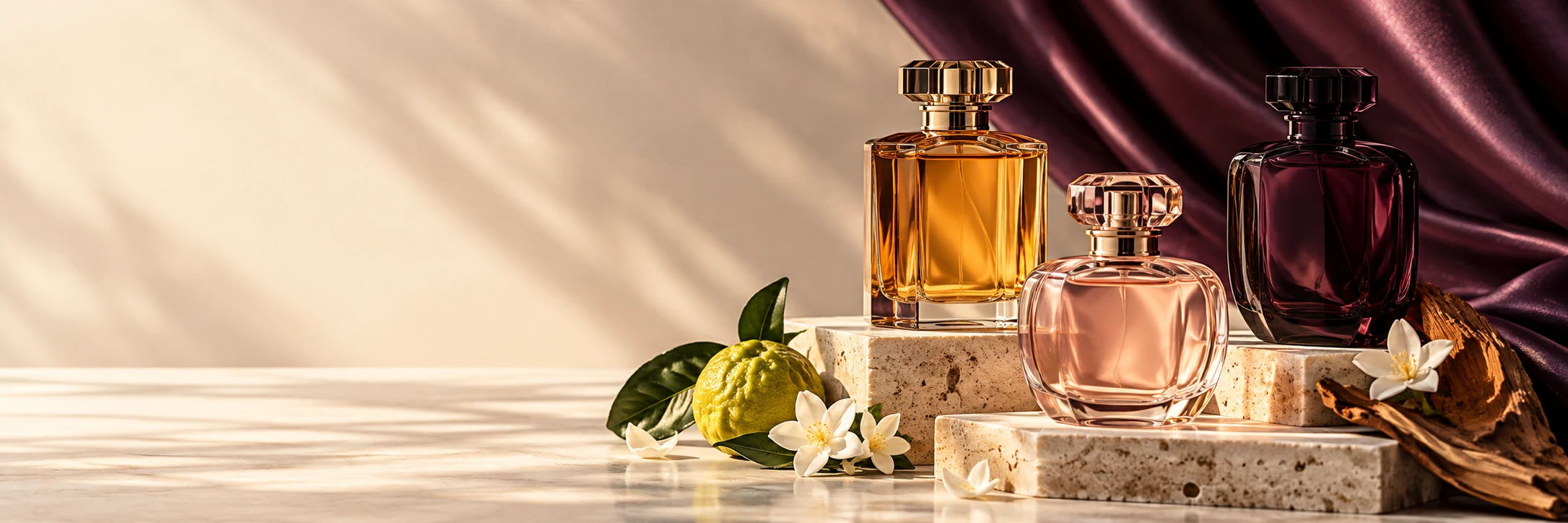

Fresh fragrances can smell like grapefruit peel, crushed herbs or cool air after rain. A perfumer can make bergamot feel crisp and dry, green and aromatic, or soft and sunny by changing what surrounds it.
From peel to perfume
Citrus oils are often obtained by pressing the peel, where much of the fruit’s aroma is concentrated. Bergamot has a green, lightly floral edge. Lemon is sharper, grapefruit can smell pleasantly bitter, and mandarin tends to read sweeter. Perfumers blend these materials with other ingredients to shape the opening.
Why the first spray is only the beginning
Citrus materials often make their strongest impression early. Compare the first spray with the scent after it settles. Herbs and vetiver can make the drydown feel greener or drier, while woods and soft musks can leave a smoother finish. A citrus fragrance can also use several materials to keep a bright impression beyond the opening.
Choosing a fresh fragrance
Look for bergamot and herbs for an aromatic style, grapefruit and dry woods for a brighter edge, or mandarin with soft florals for a rounder scent. Try two fragrances on separate blotters and smell them again later. A note name describes an impression and does not tell you exactly which materials are in the formula.
Browse the fragrance collection
Further reading: IFF’s guide to perfume ingredients and creation.